


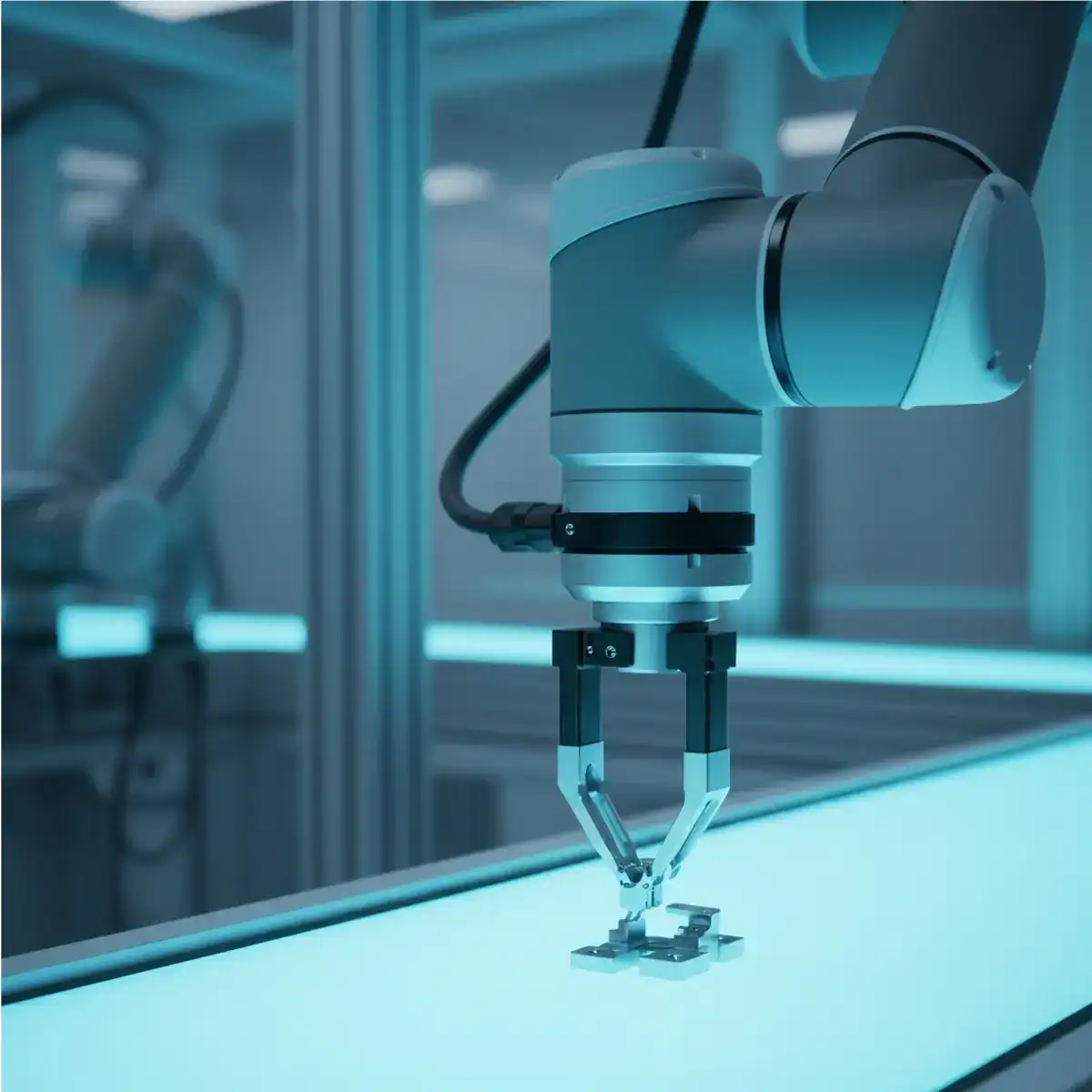
Le applicazioni di guida robotica richiedono sistemi di visione in grado di fornire una stima della posa accurata e ripetibile a velocità di produzione. La telecamera vede ciò che la luce rivela. Quando l’Illuminatore non è uniforme – a causa di interferenze della luce ambientale, deriva termica o geometria errata – l’algoritmo di visione riceve dati d’immagine ambigui, con conseguenti errori di posizionamento del robot. La scelta e il posizionamento del corretto Illuminatore LED sono importanti quanto la scelta della telecamera e dell’obiettivo in qualsiasi sistema di visione robotica.
Le tre principali categorie di applicazioni di guida robotica – pick-and-place da un alimentatore o da un dispositivo definito, prelievo di bidoni da un contenitore riempito in modo casuale e guida di Robot Collaborativi (cobot) in spazi di lavoro condivisi – impongono ciascuna requisiti diversi al sistema di illuminazione. La distanza di lavoro, la geometria dei pezzi, le condizioni di luce ambientale, i vincoli di sicurezza e la modalità di acquisizione delle immagini influenzano la scelta dell’illuminatore corretto.

Vuoi essere aiutato a scegliere il prodotto giusto?
Perché l’illuminazione coerente è fondamentale per la stima della posa dei robot
Gli algoritmi di stima della posa dei robot – che siano basati su regole di corrispondenza dei modelli o sul rilevamento basato sul deep learning – calcolano la posizione e l’orientamento dei pezzi a partire dalle caratteristiche dell’immagine. L’affidabilità di questo calcolo dipende dal contrasto, dalla nitidezza e dalla ripetibilità di queste caratteristiche nell’immagine. L’Illuminazione Diretta controlla tutti e tre i parametri.
Qualsiasi cambiamento nell’intensità dell’Illuminatore, nella temperatura del colore o nella distribuzione spaziale tra la calibrazione e la produzione fa sì che l’insieme delle caratteristiche dell’immagine viste dall’algoritmo differisca dai dati di addestramento o di riferimento. Ciò si manifesta con un aumento dell’incertezza di localizzazione, un aumento dei tassi di errore di prelievo e una riduzione della produttività. In pratica, la causa più comune dell’instabilità della visione dei robot in produzione non è il fallimento dell’algoritmo, ma la deriva dell’illuminazione o la contaminazione della luce ambientale.
Guida Robotica 2D: Telecamere a scansione d’area e Illuminatore LED Diretto
I sistemi di guida robotica bidimensionale utilizzano telecamere a scansione dell’area per acquisire un’immagine dall’alto o angolata del pezzo. L’algoritmo di visione calcola la posizione e la rotazione 2D del pezzo nel campo di vista. Il robot corregge la sua traiettoria di avvicinamento sulla base di queste informazioni prima di effettuare il prelievo.
Luci ad Anello per la Visione per Pick and Place
Le luci ad Anello LED sono la soluzione di illuminazione più diffusa per la guida robotica 2D pick-and-place. Montate coassialmente con l’obiettivo della telecamera, le luci ad anello forniscono un’illuminazione direzionata da una posizione angolare coerente rispetto all’asse ottico della telecamera. Questa geometria produce schemi d’ombra ripetibili che migliorano il contrasto dei bordi dei pezzi per la corrispondenza dei modelli e gli algoritmi di estrazione delle caratteristiche.
Le luci ad Anello a Basso Angolo dirigono l’Illuminazione Radente sulla superficie del pezzo, accentuando la struttura della superficie e il rilievo dei bordi. Questa tecnica è efficace per l’ispezione di pezzi con caratteristiche in rilievo, loghi o marcature superficiali che definiscono l’orientamento del prelievo. Per le parti piatte e lisce su sfondi diffusi, le luci ad anello ad alto angolo o gli illuminatori a matrice diretta forniscono un’illuminazione di campo più uniforme e un migliore contrasto generale.
Luci a Barra e Illuminatori a Matrice per ampi Campi di Vista
Quando il robot preleva da un ampio nastro trasportatore o da un’area di pallet, una singola Luce ad Anello non può illuminare in modo uniforme l’intero campo di Vista. Le luci a Barra o gli Illuminatori LED a matrice di grande formato, posizionati ad angoli controllati, forniscono l’illuminazione uniforme e direzionale richiesta su campi estesi. Più luci a barra disposte simmetricamente intorno al campo eliminano le asimmetrie d’ombra direzionali che causano errori di orientamento negli algoritmi di visione.
Guida Robotica 3D: Luce Strutturata e Proiezione di Luce Strutturata
I sistemi di guida robotica tridimensionale recuperano l’intera posa 6-DOF di un pezzo – posizione in X, Y, Z e rotazione intorno a tre assi. Questa capacità è necessaria per il prelievo di pezzi da attrezzature, vassoi o presentazioni a orientamento misto dove la guida 2D non può risolvere l’ambiguità della profondità o dell’inclinazione.
I sistemi 3D a luce strutturata proiettano sulla superficie del pezzo un modello noto, in genere frange, griglie o sequenze di luce codificate. Una telecamera cattura la distorsione del modello proiettato causata dalla geometria della superficie del pezzo e un algoritmo di ricostruzione calcola la nuvola di punti 3D. La Proiezione di Luce Strutturata deve garantire un elevato contrasto tra il modello proiettato e lo sfondo del pezzo. Ciò richiede un proiettore LED stabile e ad alta intensità con un angolo di emissione stretto.
Per i sensori 3D a tempo di volo (ToF) e stereo attivi, gli Illuminatori LED che operano nelle lunghezze d’onda del Vicino Infrarosso (NIR) – in genere 850 nm o 940 nm – proiettano il modello di riferimento. La telecamera incorpora un filtro ottico a banda stretta abbinato alla lunghezza d’onda dell’illuminatore per respingere la luce ambientale. Gli Illuminatori LED NIR ad alta potenza con un picco di uscita stabile sono essenziali per una ricostruzione 3D affidabile a distanze di guida robotica.
Picking dei bidoni: Illuminamento per l’ispezione di pile casuali

Il Bin picking richiede che il sistema di visione localizzi e identifichi i singoli pezzi da un contenitore riempito in modo casuale, con pezzi con orientamenti arbitrari, parzialmente occlusi e ad altezze variabili. Si tratta dell’applicazione di guida robotica più impegnativa dal punto di vista dell’Illuminamento.
Le sfide dell’Illuminazione nel Bin Picking
I pezzi in un contenitore presentano diverse sfide contemporaneamente. Le parti metalliche creano riflessi speculari da qualsiasi Illuminazione Diretta. Le parti che si sovrappongono producono modelli d’ombra complessi. La variazione di profondità verticale all’interno di un contenitore può arrivare a 200 mm o più, causando cambiamenti significativi nell’intensità dell’illuminazione e nella geometria dell’ombra in tutto il volume di lavoro. Non esiste un’unica geometria di illuminazione che risolva tutte queste sfide per tutti i tipi di pezzi.
Per i sistemi di prelievo 3D, il proiettore a luce strutturata o l’illuminatore stereo attivo devono fornire un contrasto sufficiente per una ricostruzione 3D affidabile in tutta la gamma di profondità del contenitore. Gli Illuminatori LED ad Alta Intensità con intensità regolabile permettono all’Integratore di Sistema di ottimizzare il livello di illuminazione per ogni specifica geometria del contenitore e per la riflettività dei pezzi. L’Illuminazione Diffusa o a cupola viene spesso combinata con il Sensore 3D per ridurre gli artefatti speculari sui pezzi metallici.
Combinazione di modalità di Illuminamento per un Bin Picking robusto
Molte celle di prelievo dei cassonetti di produzione utilizzano più sorgenti di Illuminamento in sequenza. Un proiettore a luce strutturata cattura la scena 3D per la localizzazione dei pezzi. Un Illuminatore LED direzionale separato si accende durante l’acquisizione dell’immagine 2D per la selezione dei punti di presa e la verifica della qualità. Questo approccio a più fasi ottimizza ogni condizione di illuminazione in modo indipendente.
Illuminazione dei Robot Collaborativi: Sicurezza, fattore di forma e funzionamento senza sfarfallio
I robot collaborativi operano in spazi di lavoro condivisi con i lavoratori umani. L’illuminazione per i sistemi di visione dei cobot deve soddisfare requisiti che non si applicano alle celle robotiche completamente protette: sicurezza fotobiologica, fattore di forma compatto e compatibile con lo strumento di fine braccio del cobot e funzionamento privo di sfarfallio che non causi disagio o pericolo agli operatori vicini.
Sicurezza fotobiologica per l’illuminazione del Robot Collaborativo
Gli Illuminatori LED utilizzati in prossimità di lavoratori devono rispettare i limiti di sicurezza fotobiologica della norma IEC 62471. Questo standard definisce le classificazioni del Gruppo di rischio 0 (esente), del Gruppo di rischio 1 (basso rischio) e del Gruppo di rischio 2 (rischio moderato) in base ai livelli di radiazione ottica misurati. Per le applicazioni cobot, gli Illuminatori del Gruppo di rischio 0 o del Gruppo di rischio 1 sono adatti a garantire la sicurezza dell’operatore senza richiedere barriere protettive aggiuntive.
Gli Illuminatori LED ad Alta Intensità a breve distanza di lavoro possono presentare rischi di luce blu e devono essere valutati in base ai limiti della norma IEC 62471 prima di essere utilizzati. Gli Illuminatori a Infrarossi oltre i 780 nm sono invisibili all’occhio umano e non attivano il riflesso dell’ammiccamento, per cui è necessario prestare particolare attenzione ai livelli di potenza emessi rispetto ai limiti di radiazione infrarossa della norma IEC 62471.
Funzionamento dei LED senza sfarfallio per gli ambienti dei Robot Collaborativi
Gli Illuminatori LED alimentati alla frequenza di rete (50 o 60 Hz) o a basse frequenze PWM producono uno sfarfallio visibile che affatica gli occhi degli operatori umani che lavorano nelle vicinanze. Negli spazi di lavoro collaborativi, gli Illuminatori LED dovrebbero funzionare in modalità continua DC con driver regolati a corrente costante, oppure in modalità PWM ad alta frequenza superiore a 1 kHz che pone lo sfarfallio al di sopra della soglia di percezione umana.
Illuminazione fissa o montata su robot: Pro e contro
Gli illuminatori per la guida robotica possono essere montati sull’attrezzo del braccio del robot (EOAT), muoversi con la telecamera o essere fissi rispetto allo spazio di lavoro. Ogni strategia di montaggio presenta vantaggi e limiti specifici che influenzano le decisioni di progettazione del sistema.
Illuminamento montato alla fine del braccio
Gli illuminatori montati su EOAT mantengono una relazione geometrica costante tra la sorgente luminosa, la telecamera e la superficie del pezzo, indipendentemente dalla posizione del robot. Questo garantisce una geometria di illuminamento coerente in tutto lo spazio di lavoro. I vincoli sono le dimensioni e il peso: gli illuminatori per il montaggio EOAT devono essere compatti e leggeri per rientrare nel budget del carico utile del robot. La posa dei cavi su un EOAT in movimento richiede un’attenta gestione per evitare guasti da fatica nel corso della vita utile dell’illuminatore.
Illuminamento fisso
Gli illuminatori fissi sono posizionati in un punto definito della cella del robot. Il robot sposta il pezzo o la telecamera nella zona illuminata per catturare l’immagine. L’illuminamento fisso svincola l’illuminatore dai vincoli del carico utile del robot, consentendo illuminatori più grandi e di maggiore potenza. Per posizioni di prelievo ben definite e per l’illuminazione di una sola zona, il montaggio fisso è più semplice e affidabile.
Reiezione della Luce Ambiente nelle Cellule di Visione dei Robot
La luce ambientale della fabbrica – proveniente da apparecchi aerei, archi di saldatura o luce solare attraverso i lucernari – contamina le immagini di visione dei robot quando la sua intensità è paragonabile all’uscita dell’Illuminatore LED sulla superficie del pezzo. Le strategie efficaci di Reiezione della Luce Ambiente includono: Illuminatori LED ad Alta Intensità che sovrastano la luce ambientale durante l’esposizione della telecamera; Cappucci o Coperchi in Campo Scuro che racchiudono la zona di acquisizione; Illuminatori LED a Banda Stretta abbinati a filtri Ottici Passa-Banda corrispondenti sull’obiettivo della telecamera; Illuminazione NIR a 850 nm o 940 nm dove i livelli di luce ambientale della fabbrica sono più bassi rispetto allo spettro visibile.
Prodotti e tecnologie


Domande frequenti
Le luci ad Anello LED sono la soluzione standard per la visione dei robot pick-and-place. Si montano coassialmente con l’obiettivo della telecamera e forniscono un illuminamento direzionale costante per il rilevamento dei bordi e delle caratteristiche dei pezzi. Le luci ad anello a Basso Angolo accentuano il rilievo della superficie. Le luci anulari stroboscopiche ad alta intensità sono utilizzate nei cicli di prelievo ad alta velocità.
Utilizza Illuminatori LED ad Alta Intensità che sovrastano la luce ambientale durante l’esposizione della fotocamera; racchiudi la zona di cattura con un cappuccio in campo scuro; utilizza LED a banda stretta e filtri Passa-banda sull’obiettivo della fotocamera; oppure scegli l’Illuminazione a Banda Infrarossa a 850-940 nm dove la luce ambientale di fabbrica è più bassa.
I sistemi a luce Strutturata necessitano di proiettori LED ad Alta Intensità per la proiezione di modelli ad alto contrasto. I sensori attivi stereo e ToF utilizzano illuminatori LED NIR (Vicino Infrarosso). L’Illuminazione Diffusa o a cupola riduce i riflessi speculari sulle parti metalliche. Sono preferibili illuminatori a matrice ad alta potenza con intensità regolabile.
Gli Illuminatori LED devono rispettare i limiti di sicurezza fotobiologica della norma IEC 62471. Gli illuminatori del gruppo di rischio 0 o 1 sono adatti alle applicazioni cobot con operatori umani. Il funzionamento PWM superiore a 1 kHz o in corrente continua evita lo sfarfallio visibile per i lavoratori vicini.
Il montaggio EOAT mantiene una geometria di illuminazione costante ma richiede illuminatori compatti e leggeri entro i limiti del carico utile. Il montaggio fisso consente illuminatori più grandi e potenti, ma richiede posizioni di prelievo definite. Il montaggio fisso è più semplice per le operazioni a zona singola; EOAT si adatta alla guida flessibile in più posizioni.
Contatti e informazioni
Contatto per informazioni generali : info@roder.it
Partner per l’Integrazione di Sistemi e Sensori : www.roder.it
Divisione Roder Artificial Vision : www.rodervision.com
Divisione RODER Instruments : www.innovacheck.com
Ulteriori informazioni su RODER VISIONE : chi siamo
Le informazioni contenute in questo sito web sono fornite solo a scopo informativo. Sebbene siano state preparate con la massima cura, non costituiscono un’offerta contrattuale o un impegno vincolante alla fornitura. Possono contenere errori di trascrizione, traduzione o tipografici. Per informazioni precise e aggiornate, ti invitiamo a contattare direttamente la nostra azienda.
Nota bene: alcune immagini presenti in questo sito web sono state intenzionalmente generate utilizzando l’Intelligenza Artificiale (AI). Ciò è dovuto al fatto che, per molte applicazioni e progetti, non è possibile divulgare fotografie dell’installazione o del sistema reale a causa di accordi di riservatezza, clausole contrattuali e accordi di non divulgazione (NDA).
Related topics :
 I vantaggi della retroilluminazione LED nelle misure dimensionali di precisione
 Verifica dimensionale di elementi di fissaggio: uso di luci telecentriche per viti di alta precisione
 Luci di linea per l’ispezione delle bobine: Massimizzare la Produttività nella Produzione Continua
 Come ottimizzare il controllo qualità del packaging con gli illuminatori a retroilluminazione.